
Independent Physical Searches
What is a Physical Search?
Independent physical searches are the organized, on-the-ground effort to locate a missing person by directly checking areas where they may be found. It begins with defining search zones based on last known location, time missing, and likely movement. Investigators may walk or drive while documenting what has been checked. Safety, coordination, and clear communication are critical throughout the operation.
The purpose of a physical search is to locate the individual, gather reliable information, and support a safe recovery.
Our Independent Physical Search Process
- Conduct face to face interviews with family, friends, neighbors, and co-workers of the missing person. Sometimes the missing person will be at one of these locations and identify himself/herself willing to provide a resolution. (Runaway / Suicidal Cases)
- Create and disseminate posters of the missing person, going door to door, within the missing person’s neighborhood or by mass mail. (Dementia/Alzheimer’s or Cold Cases)
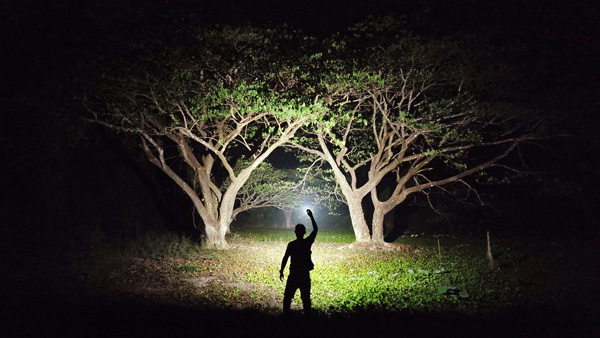
- If search has been called off briefly by law enforcement due to lack of daylight and too risky to search at night; Known Stranger Investigations will conduct a night search. (Dementia/Alzheimer’s or Suicidal Cases)
- If search has been cancelled by law enforcement because the person has been missing too long and likelihood of survival is minimal; Known Stranger Investigations will continue the search efforts as a Cold Case investigation. (Dementia/Alzheimer’s or Suicidal Cases)
Frequently Asked Questions (FAQ's) on Independent Physical Searches
What is an independent physical search in a missing-person case?
In California, an independent physical search is a systematic, on-the-ground effort to locate a missing person or physical evidence, conducted by private individuals or organizations rather than law enforcement agencies.
Who conducts independent physical searches?
Independent physical searches are typically conducted by licensed private investigators, family members, advocacy organizations, or specialized volunteer search groups operating outside direct police control.
Is an independent physical search conducted by law enforcement?
No. Independent physical searches are non-governmental and are performed without the direct control, supervision, or funding of police or state agencies, although they may operate in parallel with official investigations.
What does “physical inspection” mean in an independent search?
Physical inspection involves personally visiting and examining real-world locations connected to the missing person in order to locate them or uncover tangible clues.
What types of locations are searched?
Searches may include a person’s last known location, workplaces, local hangouts, hospitals, transit hubs, or other places the individual is known or likely to visit.
What kind of evidence are independent searchers looking for?
Independent searchers look for physical clues, such as abandoned vehicles, discarded clothing, personal items, or signs of recent presence that may help determine the person’s whereabouts.
How do independent physical searches differ from law-enforcement searches in California?
Unlike law enforcement, independent searchers often have greater operational flexibility. They are not limited by jurisdictional boundaries, internal case-priority policies, or agency protocols, and can focus exclusively on a single case.
Can independent searchers operate across county or state lines?
Yes. Independent searchers can often cross county and state boundaries as needed, which can be critical when a missing person may have traveled outside their original jurisdiction.
When are independent physical searches typically used?
Independent physical searches are commonly used when:
• Law enforcement lacks sufficient resources for a prolonged ground search
• A case does not meet internal police thresholds for prioritization
• Families want to pursue parallel or supplemental search efforts
Why are independent searches used when police resources are limited?
In California, law enforcement may be constrained by staffing, competing cases, or a lack of evidence indicating foul play. Independent searches allow continued ground efforts when police resources are stretched thin.
Why can private investigators begin searching immediately?
Private investigators can start work without waiting periods or internal approval processes, which can be especially important in time-sensitive cases involving missing adults who are not legally classified as “at risk.”
When is an independent search helpful if a person is deliberately avoiding detection?
When a person is intentionally hiding—such as a runaway or someone avoiding legal or personal obligations—independent investigators can use covert surveillance and low-profile physical searches that do not draw public attention.
Why do families hire independent search teams to revisit areas already searched?
Families often seek independent investigative service teams to re-examine locations, conduct more methodical grid searches, or search difficult terrain after official efforts have been scaled back or concluded.
Why are independent physical searches common in cold cases?
There is no statute of limitations on private investigative work in California. As a result, long-term or cold missing-person investigations often rely on independent searches when official investigations are no longer active.
What is a hasty search?
A hasty search is a rapid review of high-probability locations, such as trails, accessible paths, or areas the person is known to frequent.
What is a grid or line search?
A grid or line search is a slow, methodical sweep of a defined area, designed to locate small or easily overlooked evidence.
How is surveillance used in independent physical searches?
Surveillance involves discreetly monitoring locations where the missing person is likely to appear, allowing investigators to observe activity without alerting the subject or the public.